
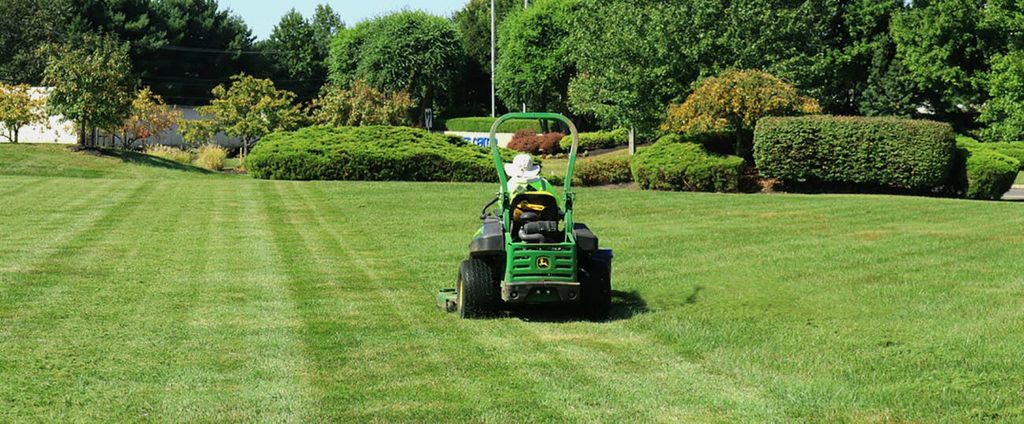
By November, your commercial landscape has been through a full growing season. Areas that struggled during summer, plants that needed repeated attention and drainage problems that appeared after storms can all help inform next year’s maintenance plan.
A year-end walkthrough gives property managers and their landscape account manager time to review those concerns together. Across the Delaware Valley, it is an opportunity to assess property conditions before winter and establish priorities for spring.
The most useful walkthrough should result in a clear record of what needs attention, when work should happen and which improvements require a separate budget.
Review What Worked and What Did Not
Start by discussing how the landscape performed throughout the year. Maintenance records, service requests and tenant feedback can help identify issues that may not be obvious during a November visit.
Consider:
- Which areas consistently looked healthy and well maintained?
- Where did the same problems return?
- Were there repeated complaints about appearance, access or visibility?
- Did certain areas require unexpected work?
- Have changes in property use created new maintenance needs?
For example, turf beside a busy entrance may have struggled because people routinely walk across it. Replacing the grass without addressing that traffic pattern could lead to the same problem next year.
Assess Turf and Planting Beds
Walk the property with particular attention to thin turf, bare areas, recurring weeds and uneven growth. Note whether problems are isolated or appear across several areas.
Discuss possible contributing factors with your landscape provider, such as shade, foot traffic, soil compaction or drainage. Some concerns may need further evaluation during the growing season before a treatment or renovation plan is finalized.
In planting beds, look for declining shrubs, missing plants, damaged edging and vegetation that has outgrown its space. Identify plants that repeatedly require replacement or interfere with walkways, windows and signage.
The goal is to understand why an area is struggling before investing in another repair.
Identify Drainage and Surface Concerns
Standing water and erosion can affect both landscape appearance and how people move through the property.
During the walkthrough, review:
- Locations where water collects after rain
- Soil or mulch washing onto sidewalks
- Erosion around slopes, downspouts or bed edges
- Persistently wet turf
- Uneven or damaged walking surfaces
A dry-weather walkthrough may not reveal the full extent of a drainage issue. Bring photos from previous storms and mark locations that need another inspection after rainfall.
Your landscape provider can help determine which concerns fall within landscape maintenance or enhancement work and which require another specialist.
Evaluate Trees and Shrubs
Review woody plants for visible damage, declining growth and conflicts with buildings or pedestrian areas.
Branches near entrances, shrubs blocking sightlines and plants crowding walkways should all be documented. Trees with broken limbs or other potential safety concerns may need a qualified arborist’s assessment.
Discuss pruning priorities rather than assuming every tree and shrub should be cut back before winter. Appropriate timing depends on the plant, its condition and the purpose of the work.
This is also a useful time to identify replacement candidates and discuss plants better suited to the available space.
Confirm Winter Protection Needs
Even if snow planning has already been completed, use the walkthrough to confirm that landscape features needing protection have been documented.
Review bed edges, young trees, drainage structures and other features that may become difficult to see under snow. Confirm that designated snow storage areas account for sensitive plantings and drainage needs.
If the property has irrigation, verify that winterization has been completed or scheduled. Discuss whether recent plantings need a separate watering plan during dry, mild conditions.
Photographs can provide a useful record of conditions before winter operations begin.
Set Priorities for Next Year
Finish by turning observations into a manageable action list.
Separate routine maintenance needs from larger improvements that require estimates or approval. Then organize proposed work by urgency, property impact and seasonal timing.
Each item should have:
- A specific location and description
- Supporting photos where helpful
- A recommended next step
- An estimated cost or plan to obtain pricing
- A target timeframe
- A person responsible for follow-up
Address safety and access concerns promptly. Plan larger projects early enough to coordinate budgets, scheduling and any disruption to property operations.
A year-end walkthrough helps connect what happened this season with better decisions for the next. With documented priorities and clear follow-up, property managers can approach spring with a more informed maintenance plan and fewer unresolved concerns.
Contact us today to schedule a year-end landscape walkthrough and discuss priorities for your commercial property.